EU Packaging Regulation Ireland 2026: What the PPWR Means for Irish Food Businesses
The Packaging and Packaging Waste Regulation (PPWR) is the biggest overhaul of food packaging compliance in three decades. On 12 August 2026 it becomes law across Ireland automatically — no Irish transposition required. Here is what every restaurant, takeaway, retailer, and e-commerce business needs to know, and how to act now.
Deadline: 12 August 2026 — Less Than 6 Months Away
The PPWR (Regulation EU 2025/40) entered into force on 11 February 2025. Its main provisions apply from 12 August 2026. Unlike the 1994 Directive it replaces, this is a regulation — it takes direct effect in Irish law without any national legislation required.
What Is the PPWR and Why Does It Matter for Ireland?
The EU Packaging and Packaging Waste Regulation (PPWR, Regulation EU 2025/40) replaces the original 1994 Packaging and Packaging Waste Directive. Formally adopted by the European Council in December 2024 and published on 22 January 2025, it sets out binding rules on packaging design, recyclability, chemical safety, and waste reduction across all EU member states.
For Irish food businesses — from a single-location chipper in Mullingar to a national restaurant group — the regulation directly governs the pizza boxes your customers carry home, the paper bags your barista hands across the counter, the burger boxes your kitchen stacks by the grill, and the cups your coffee machines fill every morning.
Repak, Ireland's Extended Producer Responsibility (EPR) body, has published guidance for Irish businesses and is actively advising producers on how to prepare. The window to act is closing fast.
The most important date in Irish packaging compliance
PFAS banned from food packaging. Packaging minimisation rules enforced. Recyclability obligations begin. And unlike a directive, there is no waiting for Dáil legislation — it becomes Irish law automatically on that date.
The PPWR Timeline for Irish Businesses
12 August 2026
- •PPWR becomes directly applicable across all EU member states including Ireland
- •PFAS ban in food-contact packaging takes effect
- •Packaging minimisation rules enforced (max 40% empty space for e-commerce)
- •Reuse systems must be operational in relevant sectors
2028
- •Harmonised recycling labelling symbols required on all packaging sold in the EU
- •Digital product passports (QR codes) rollout begins — linking to material and recyclability data
January 2030
- •All packaging must achieve recyclability grades A–C minimum
- •Minimum recycled plastic content targets take effect
- •Beverage operators must offer 10% of products in reusable packaging formats
January 2035
- •Packaging recyclability must be demonstrated at scale through actual collection and processing infrastructure
January 2038
- •Only grades A and B recyclability packaging permitted — all lower-performing formats phased out
The PFAS Ban: The Change Irish Food Businesses Must Act on Now
The most pressing August 2026 obligation for Irish food operators is the ban on PFAS in food-contact packaging. Per- and polyfluorinated alkyl substances — commonly known as "forever chemicals" — have been widely used in coatings that make food packaging grease-resistant. If you are currently using pizza box liners, burger boxes, or paper food bags with a fluorinated coating, those products will be non-compliant from August.
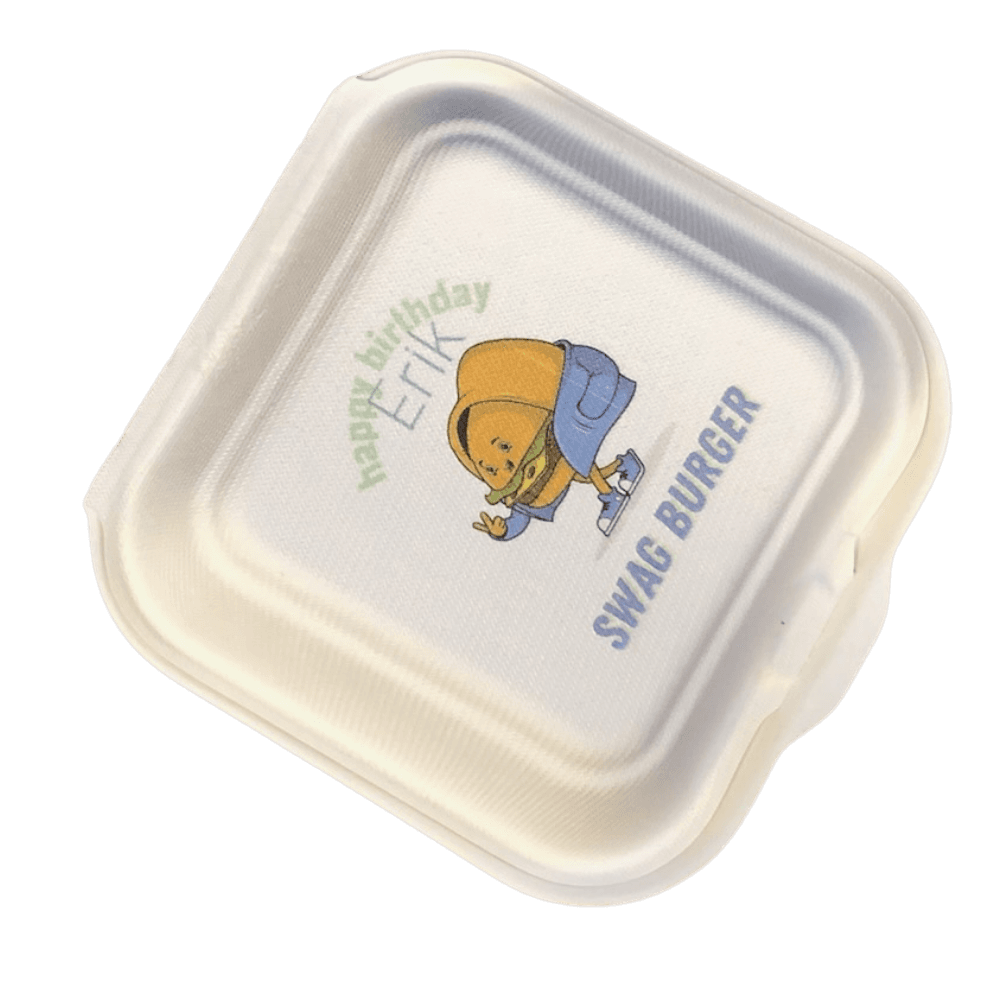
Bagasse burger boxes from PrintNPack — naturally grease-resistant without PFAS chemical coatings. Fully compostable within 90 days.
Action Required Before August 2026
- 1.Contact your current packaging supplier and request written confirmation that your food-contact packaging is PFAS-free. Ask for a declaration of compliance.
- 2.If confirmation is not available, assume PFAS are present and begin sourcing alternatives immediately. Lead times are already extending across Irish suppliers.
- 3.Switch to PFAS-free materials: bagasse food containers, uncoated kraft paperboard, or aqueous-coated trays are the most commercially viable alternatives.
Recyclability Is No Longer Optional — It Is a Design Requirement
By January 2030, all packaging placed on the Irish and EU market must be designed for material recycling. The PPWR creates a graded recyclability framework (A–E), where only grades A–C will be permitted from 2030, and only A–B from 2038.
Recyclability grades will be determined by the packaging's material composition, whether it can be effectively sorted, and whether actual recycling infrastructure exists at scale. Multi-material packaging with inseparable layers — such as plastic-lined paper cups or metallised films — will score poorly unless the layers can be mechanically separated.
Businesses switching to mono-material packaging (pure paper, pure cardboard, pure recycled plastic) now are making decisions that will remain compliant through the entire PPWR schedule. Businesses that delay risk expensive reformulations under time pressure.
Packaging Minimisation: No More Oversized Boxes
The PPWR introduces enforceable minimisation standards. For e-commerce packaging, the empty space ratio must not exceed 40% — meaning the internal volume of your box must be used by at least 60% product. For food service packaging, minimisation principles require that packaging not be meaningfully larger than the product it contains.
The practical implication for Irish businesses: audit your packaging sizes. If you are using a 12-inch pizza box for a 9-inch pizza, or shipping a small gift item in a box twice its size, those choices will attract regulatory scrutiny and higher Repak fees under the eco-modulated EPR system.
Repak & EPR Fees: The Financial Consequence of Non-Compliance
Ireland's EPR scheme operates through Repak. Businesses placing 10 or more tonnes of packaging on the Irish market annually, with a turnover of €1 million or more, are obligated to register with Repak and pay eco-fees based on the weight and type of packaging they use.
Under the PPWR, eco-fees will be progressively modulated by recyclability grade. Packaging that scores A or B will attract lower fees; packaging that scores D or E will attract substantially higher fees — and will ultimately be prohibited altogether. The financial incentive to switch to compliant packaging compounds every year.
| Recyclability Grade | Examples | Status from 2030 |
|---|---|---|
| A — Excellent | Mono-material paper bags, kraft pizza boxes, bagasse containers | Permitted · Lowest EPR fees |
| B — Good | Corrugated cardboard, most paper food trays, glass bottles | Permitted · Low EPR fees |
| C — Adequate | Some multi-layer paper, certain plastic formats | Permitted 2030–2038 · Higher fees |
| D — Poor | Laminated multi-material packaging, metallised film | Prohibited from 2038 |
| E — Not recyclable | Mixed plastics, EPS food containers (already banned) | Prohibited from 2030 |
PPWR-Ready Packaging Available Now from PrintNPack
Every product in the PrintNPack range is designed with the incoming regulatory requirements in mind. Whether you need custom-printed packaging for your restaurant brand or plain wholesale packaging for your catering operation, our range covers the key compliance bases.
Bagasse Burger Boxes
CompostableSugarcane fibre, fully compostable, naturally grease-resistant. PFAS-free and PPWR-ready.
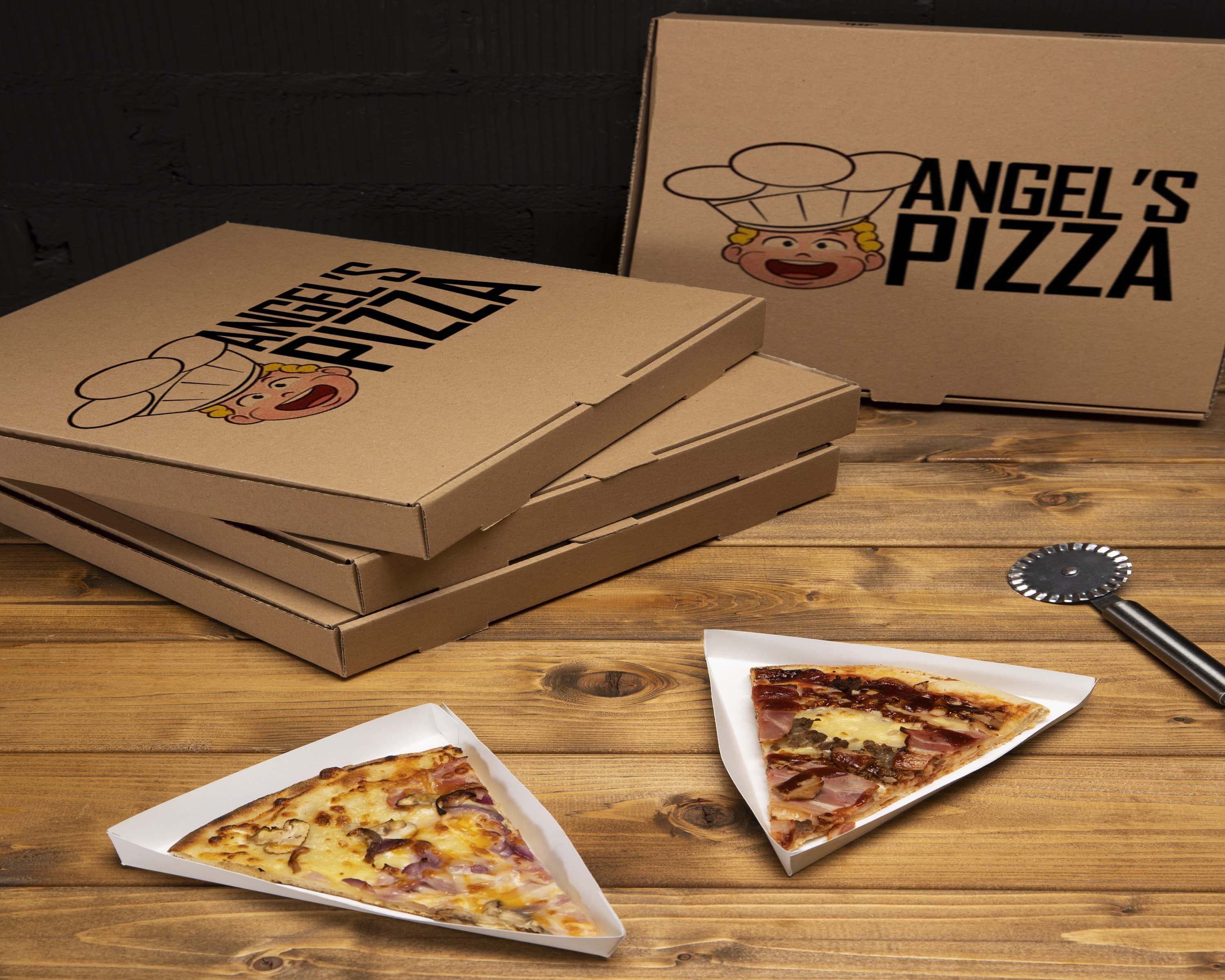
Custom Pizza Boxes
PFAS-FreeFood-safe corrugated board with no PFAS chemical treatments. Custom print from 500 units.
Flat Handle Paper Bags
RecyclableSustainably sourced kraft paper, eco-friendly inks, fully recyclable. From MOQ 500.
SOS Grab Bags
RecyclableFlat-base gusseted bags for takeaway orders. Kraft paper, recyclable, custom print available.
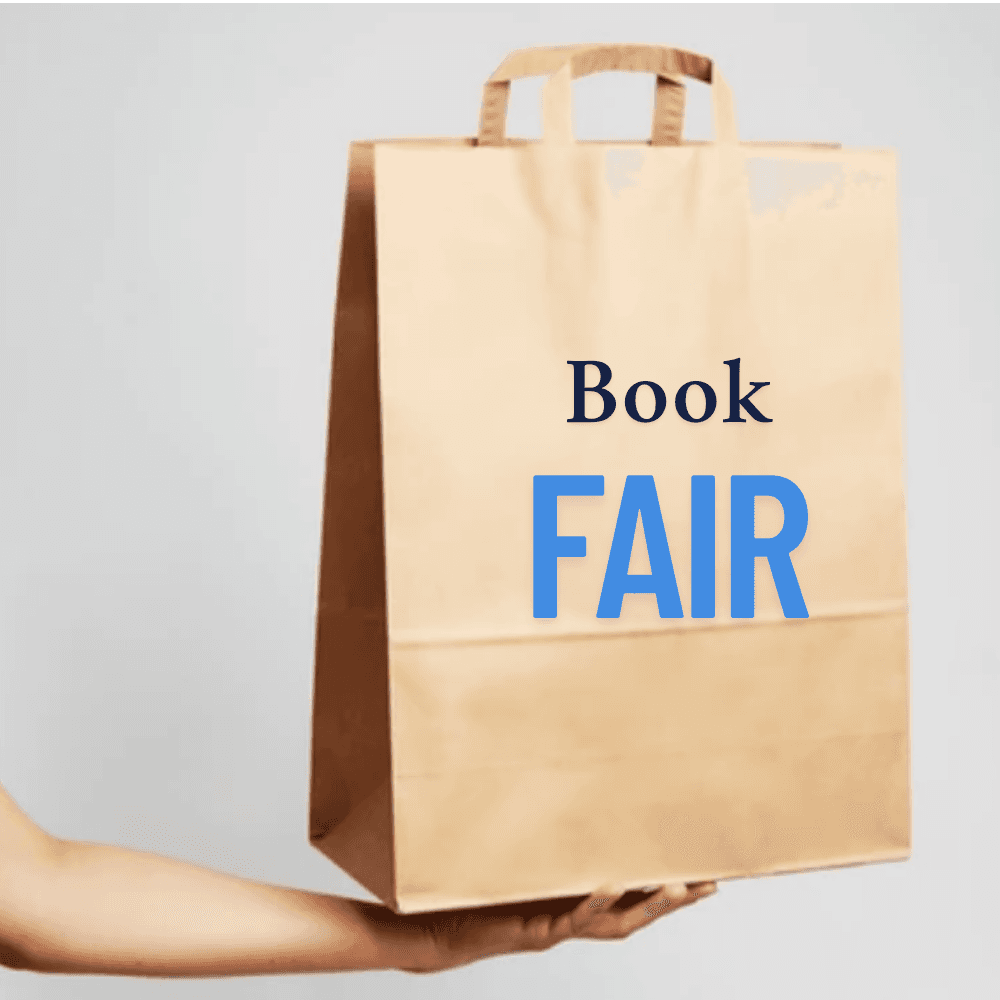
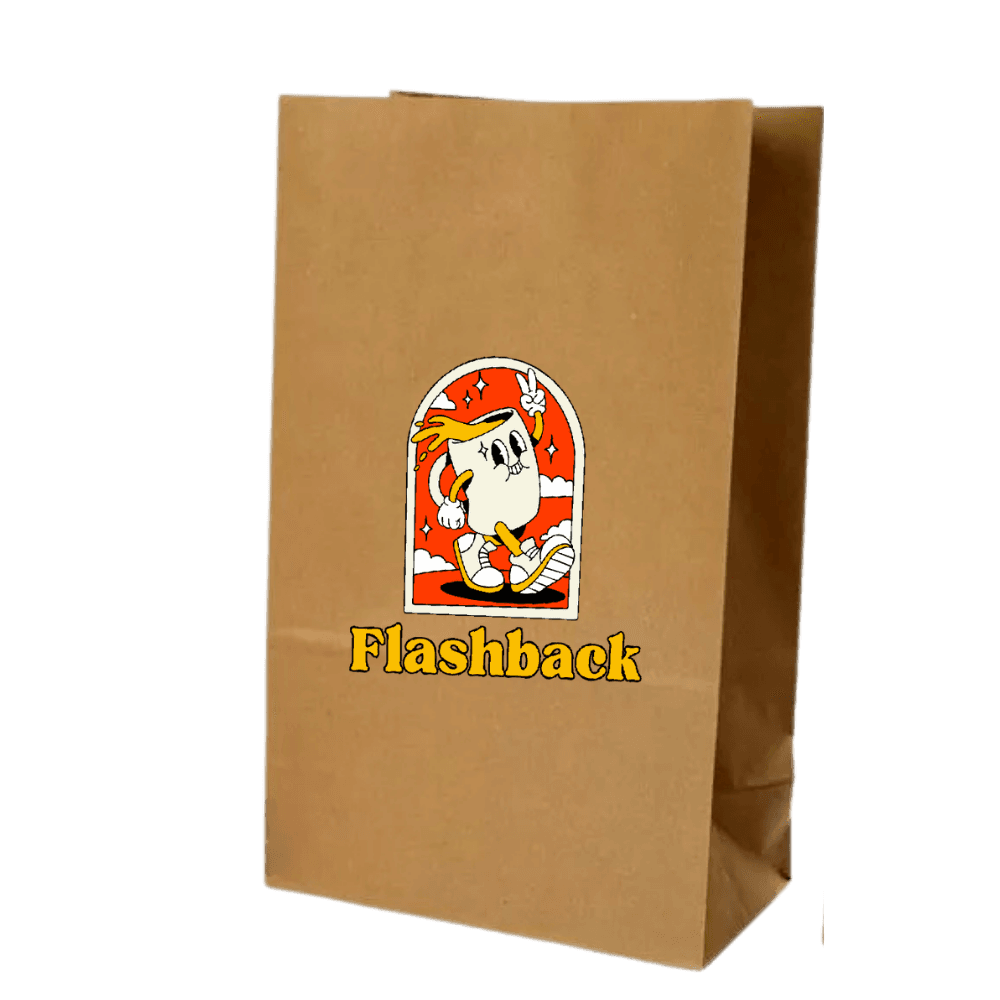
Custom flat handle bags (left) and plain SOS grab bags (right) — both FSC-certified kraft paper, fully recyclable, available with or without custom printing.
Why Irish Businesses Choose PrintNPack for PPWR-Compliant Packaging
Eco-friendly materials as standard
From bagasse and kraft to FSC-certified corrugated board, our materials are selected to meet or exceed PPWR recyclability and chemical safety requirements. Every product in our custom range is PFAS-free.
Low minimum orders — from 100 units
You do not need to commit to large runs to get custom, PPWR-compliant packaging. Whether you are a single-location restaurant or a growing group, we keep minimum orders low so the switch is affordable at any scale.
Weekly delivery service across Ireland
The only Irish packaging supplier with a dedicated weekly delivery run — so you are never stockpiling mountains of packaging. Order what you need, when you need it, on a predictable schedule.
Fast turnaround, same-day dispatch
Same-day dispatch available on plain packaging lines. Custom printed orders ship in 5–14 business days. As August 2026 approaches and demand surges, businesses that order early will have the advantage.
Plain Packaging Wholesale — 736+ Products Ready to Ship
Not every business needs custom printing. Our plain packaging wholesale range covers over 736 products — food trays, burger clamshells, kraft bowls, hot cups, lids, napkins, cutlery, and more — all available in case quantities at competitive wholesale pricing, with nationwide delivery across Ireland.
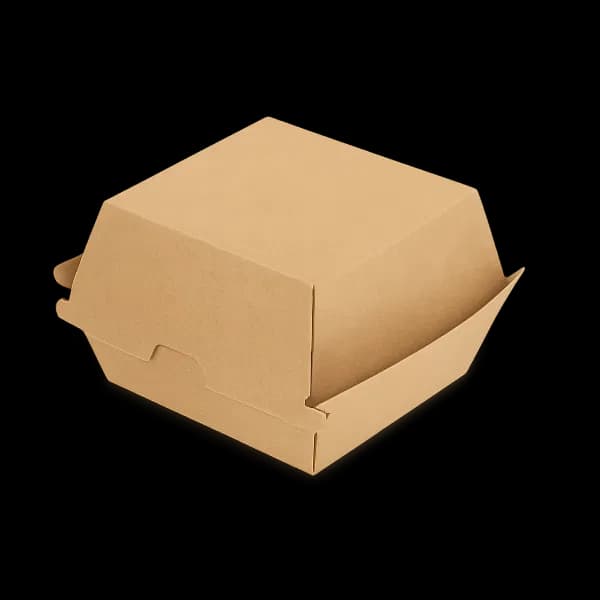
Corrugated Burger Clamshell
€24.00 / case
Recyclable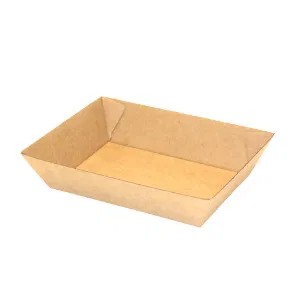
Compostable Food Tray
€34.70 / case
Compostable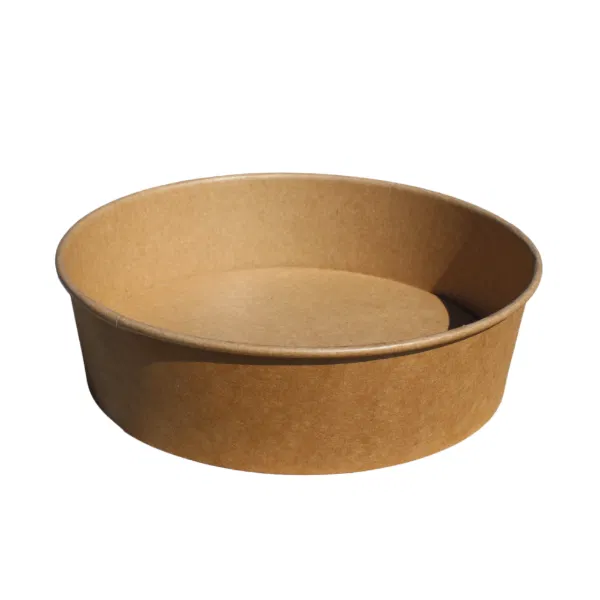
900ml Kraft Bowls
€34.77 / case
Recyclable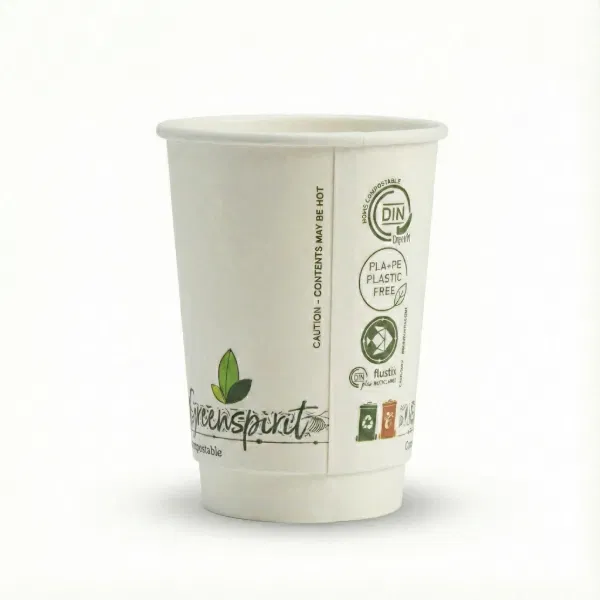
Aqueous DW Hot Cups
€29.76 / case
PFAS-Free5-Step PPWR Compliance Checklist for Irish Businesses
Whether you run a Dublin takeaway or a Galway gift shop, here is a practical preparation framework for the August 2026 deadline:
Audit every piece of packaging you currently use
List all boxes, bags, cups, lids, wraps, and labels. Note the material, supplier, and any known coatings. Include e-commerce and secondary packaging as well as consumer-facing food packaging.
Request PFAS declarations from your suppliers
Ask for written PFAS-free declarations on all food-contact packaging. If your supplier cannot provide this, begin sourcing alternatives immediately. Do not assume compliance without documentation.
Identify packaging with recyclability grades D or E
Multi-layer laminated packaging, metallised films, and mixed-material containers are likely to score D or E. Flag these for replacement before 2030 — and ideally before 2026 if they also contain PFAS.
Right-size your packaging formats
Review whether your current box or bag sizes leave more than 40% empty space. For e-commerce in particular, right-sizing is now a legal requirement. Smaller, snugger packaging also reduces your Repak eco-fees.
Place compliant packaging orders before the summer
Every Irish packaging supplier will face a wave of last-minute orders in May–July 2026. Lock in your compliant supply chain now. PrintNPack has stock and production capacity available — but that will not last as the deadline approaches.
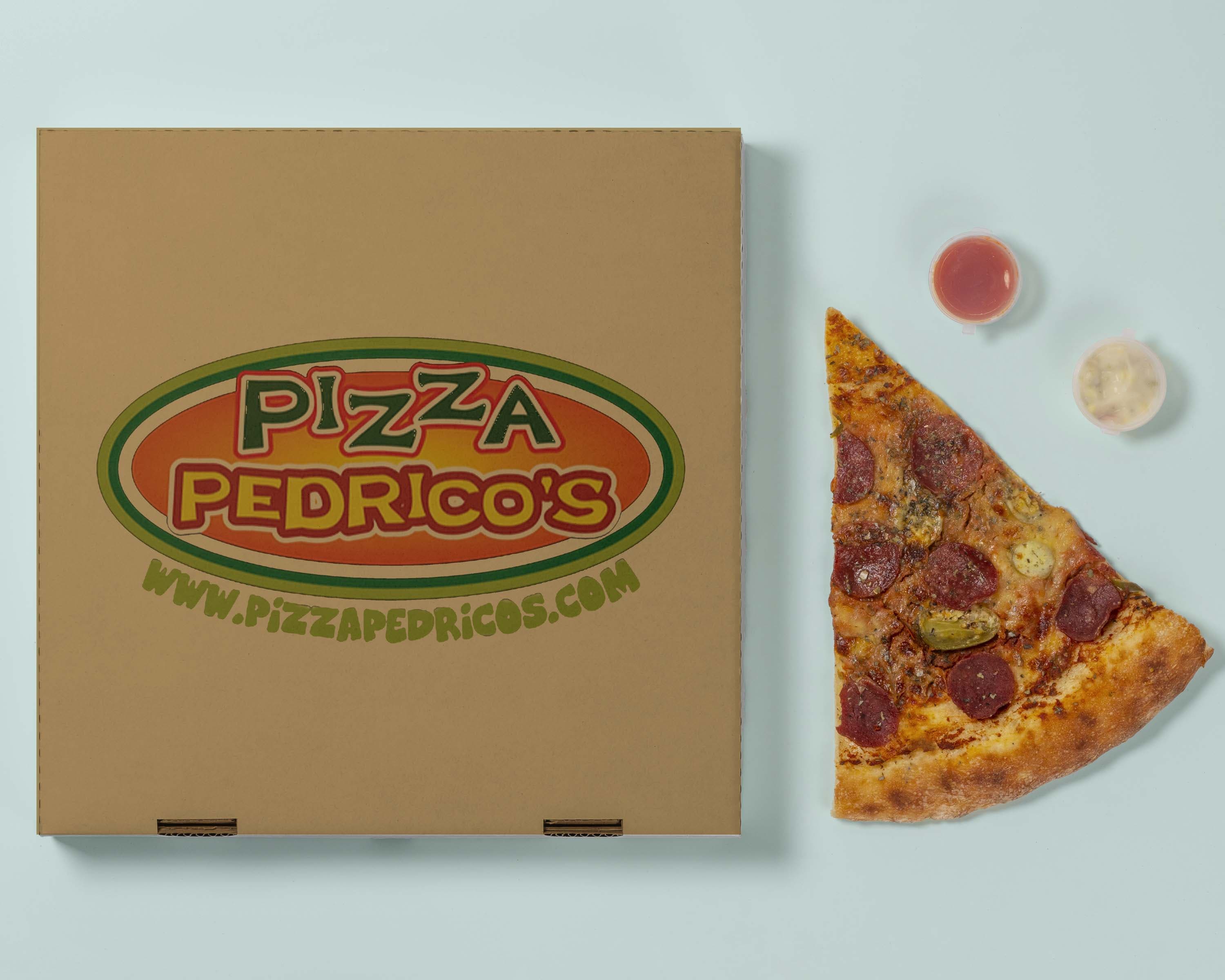
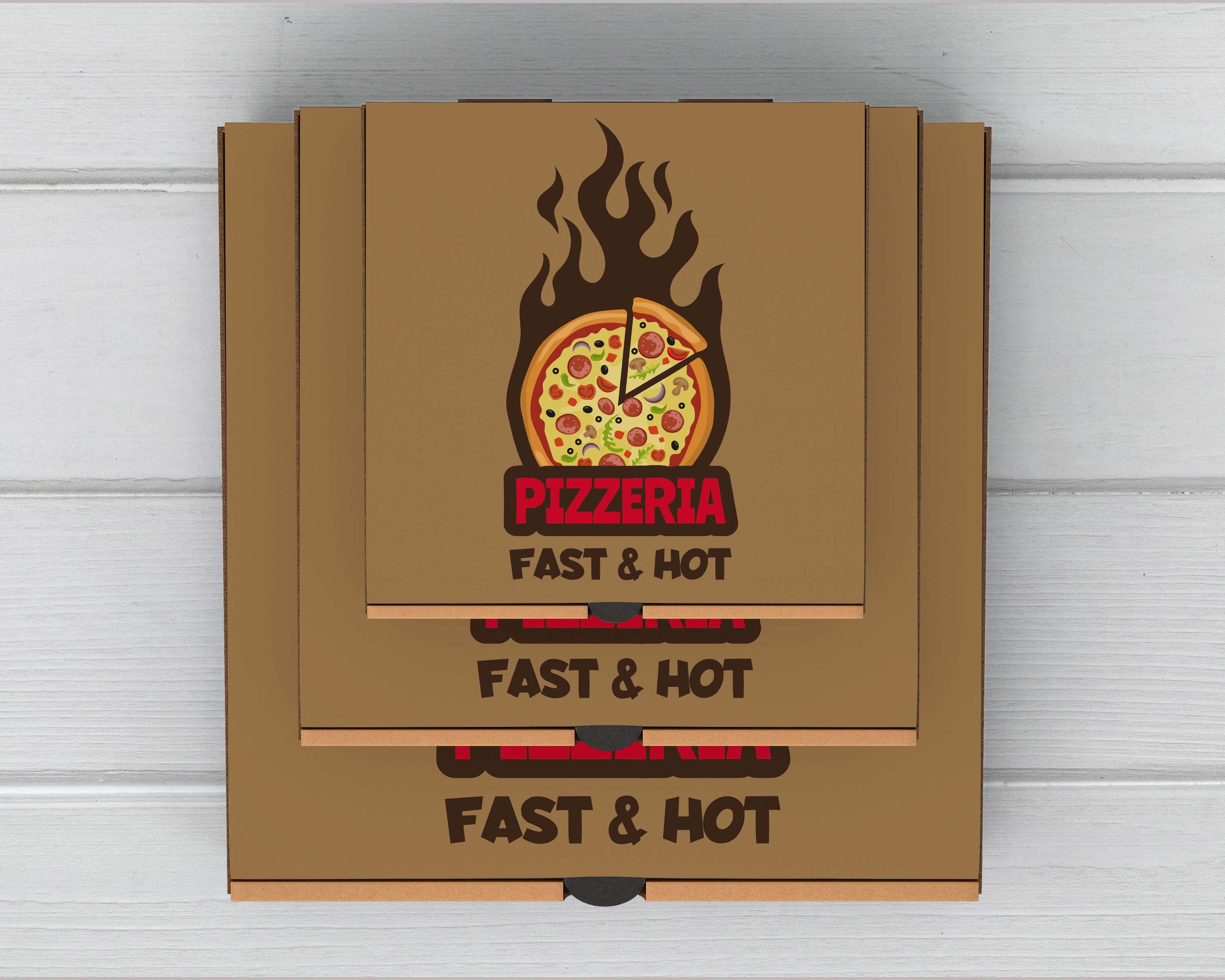
Custom pizza boxes from PrintNPack — corrugated board, food-safe inks, PFAS-free. Available from 500 units with your branding.
Frequently Asked Questions: EU Packaging Regulation Ireland 2026
When does the EU PPWR packaging regulation come into effect in Ireland?
The PPWR becomes directly applicable across Ireland on 12 August 2026. As a regulation (not a directive), it requires no Irish national legislation — it automatically becomes law on that date for all businesses placing packaging on the Irish market.
What does the PFAS ban mean for my food packaging?
From August 2026, food-contact packaging must not contain PFAS above specified concentration limits. PFAS-treated grease-resistant coatings on pizza box liners, burger boxes, and paper bags will be non-compliant. You must switch to PFAS-free alternatives such as bagasse containers, uncoated kraft board, or aqueous-coated paper.
Does the PPWR apply to small restaurants and takeaways in Ireland?
Yes. The PPWR applies to all businesses placing packaging on the EU market. The PFAS ban, recyclability requirements, and packaging minimisation rules apply regardless of business size. EPR obligations through Repak apply to businesses placing 10+ tonnes of packaging on the market annually with €1M+ turnover.
What is PFAS-free food packaging?
PFAS-free food packaging achieves grease resistance without fluorinated chemical coatings. The most common alternatives are bagasse (sugarcane fibre) containers, which are naturally grease-resistant; uncoated kraft paperboard; and aqueous-coated trays. PrintNPack supplies PFAS-free packaging across Ireland.
How will the PPWR affect my Repak EPR fees?
Repak eco-fees will be progressively modulated by packaging recyclability grade. Businesses using packaging that scores A or B recyclability will pay lower fees; harder-to-recycle packaging will attract higher fees. Switching to recyclable, mono-material packaging now reduces both regulatory risk and ongoing EPR cost.
Where can I buy PPWR-compliant packaging in Ireland?
PrintNPack supplies PPWR-ready packaging across Ireland — including PFAS-free bagasse burger boxes, recyclable pizza boxes, kraft paper bags, and 736+ wholesale plain packaging products. Custom printing is available from low minimum orders. Get a free quote at printnpack.ie/quote.
Pizza boxes Ireland: Browse our complete pizza box range — custom printed from 500 units or plain wholesale. Get a custom quote or read the pizza box FAQ →
Get PPWR-Compliant Packaging Before August 2026
From PFAS-free bagasse burger boxes to custom pizza boxes and paper bags with your logo — PrintNPack supplies sustainable, compliant packaging to food businesses across all of Ireland. Free design consultation included.
This article is for informational purposes only and does not constitute legal or regulatory advice. For authoritative compliance guidance, consult the Repak PPWR guidance or a qualified regulatory advisor. Regulation EU 2025/40 is the primary legal text. Provisions and dates are subject to implementing acts and delegated acts issued by the European Commission.